
Home
My First Thirty Years: A Memoir
Barnes and Noble
Loading Inventory...
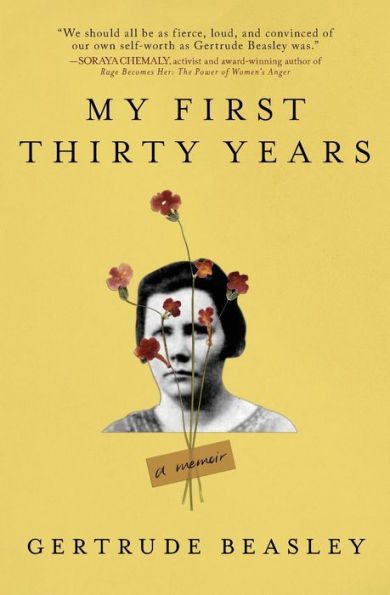
My First Thirty Years: A Memoir
Current price: $49.99
Barnes and Noble
My First Thirty Years: A Memoir
Current price: $49.99
Loading Inventory...
Size: Audio CD
*Product information may vary - to confirm product availability, pricing, shipping and return information please contact Barnes and Noble
Banned in 1925. Rediscovered nearly a century later. One woman's fearless truth still demands to be heard.
In
My First Thirty Years
, Gertrude Beasley lays bare what others only dared to whisper. Raised in poverty and violence in early 20thcentury Texas, Beasley refused silence. Her memoir—blunt, bold, and decades ahead of its time—was banned shortly after publication for its searing depictions of sexual abuse, class struggle, and a woman's fight for bodily autonomy.
With unflinching prose and fierce clarity, Beasley dismantles the myths of the noble frontier and exposes the brutal reality many women endured. A teacher, journalist, and activist, she carved a life of resistance—only to vanish under mysterious circumstances.
Today, her voice roars back. This isn't just a memoir. It's a revolution in print.
Praise for
:
"For almost a century in Texas literary circles, Gertrude Beasley's 1925 memoir has been more a legend than a book... The tangled history of
, and Beasley's horrific personal fate, are case studies in society's merciless treatment of women of her era who gave voice to socially unspeakable truths. The memoir's republication this month, which makes it widely available for the first time in 96 years, is a longoverdue moment of reckoning. It's also a rich gift to the Texas literary canon."—
Texas Monthly
"We should all be as fierce, loud, and convinced of our own selfworth as Gertrude Beasley was. This story of a justifiably angry woman living ahead of the world she lived in will resonate deeply today."—Soraya Chemaly, activist and awardwinning author of
Rage Becomes Her: The Power of Women's Anger
"Gertrude Beasley's 1925 memoir grabs the reader by the arm and holds tight, speaking with a voice as compelling as if she had just put down her pen this morning. Feminist, socialist, and acute observer of both herself and the world around her, Beasley gives us stories that illuminate the costs of poverty and of being a woman. To read
is to be in conversation with an extraordinary mind."—Anne Gardiner Perkins, author of
Yale Needs Women
In
My First Thirty Years
, Gertrude Beasley lays bare what others only dared to whisper. Raised in poverty and violence in early 20thcentury Texas, Beasley refused silence. Her memoir—blunt, bold, and decades ahead of its time—was banned shortly after publication for its searing depictions of sexual abuse, class struggle, and a woman's fight for bodily autonomy.
With unflinching prose and fierce clarity, Beasley dismantles the myths of the noble frontier and exposes the brutal reality many women endured. A teacher, journalist, and activist, she carved a life of resistance—only to vanish under mysterious circumstances.
Today, her voice roars back. This isn't just a memoir. It's a revolution in print.
Praise for
:
"For almost a century in Texas literary circles, Gertrude Beasley's 1925 memoir has been more a legend than a book... The tangled history of
, and Beasley's horrific personal fate, are case studies in society's merciless treatment of women of her era who gave voice to socially unspeakable truths. The memoir's republication this month, which makes it widely available for the first time in 96 years, is a longoverdue moment of reckoning. It's also a rich gift to the Texas literary canon."—
Texas Monthly
"We should all be as fierce, loud, and convinced of our own selfworth as Gertrude Beasley was. This story of a justifiably angry woman living ahead of the world she lived in will resonate deeply today."—Soraya Chemaly, activist and awardwinning author of
Rage Becomes Her: The Power of Women's Anger
"Gertrude Beasley's 1925 memoir grabs the reader by the arm and holds tight, speaking with a voice as compelling as if she had just put down her pen this morning. Feminist, socialist, and acute observer of both herself and the world around her, Beasley gives us stories that illuminate the costs of poverty and of being a woman. To read
is to be in conversation with an extraordinary mind."—Anne Gardiner Perkins, author of
Yale Needs Women
Banned in 1925. Rediscovered nearly a century later. One woman's fearless truth still demands to be heard.
In
My First Thirty Years
, Gertrude Beasley lays bare what others only dared to whisper. Raised in poverty and violence in early 20thcentury Texas, Beasley refused silence. Her memoir—blunt, bold, and decades ahead of its time—was banned shortly after publication for its searing depictions of sexual abuse, class struggle, and a woman's fight for bodily autonomy.
With unflinching prose and fierce clarity, Beasley dismantles the myths of the noble frontier and exposes the brutal reality many women endured. A teacher, journalist, and activist, she carved a life of resistance—only to vanish under mysterious circumstances.
Today, her voice roars back. This isn't just a memoir. It's a revolution in print.
Praise for
:
"For almost a century in Texas literary circles, Gertrude Beasley's 1925 memoir has been more a legend than a book... The tangled history of
, and Beasley's horrific personal fate, are case studies in society's merciless treatment of women of her era who gave voice to socially unspeakable truths. The memoir's republication this month, which makes it widely available for the first time in 96 years, is a longoverdue moment of reckoning. It's also a rich gift to the Texas literary canon."—
Texas Monthly
"We should all be as fierce, loud, and convinced of our own selfworth as Gertrude Beasley was. This story of a justifiably angry woman living ahead of the world she lived in will resonate deeply today."—Soraya Chemaly, activist and awardwinning author of
Rage Becomes Her: The Power of Women's Anger
"Gertrude Beasley's 1925 memoir grabs the reader by the arm and holds tight, speaking with a voice as compelling as if she had just put down her pen this morning. Feminist, socialist, and acute observer of both herself and the world around her, Beasley gives us stories that illuminate the costs of poverty and of being a woman. To read
is to be in conversation with an extraordinary mind."—Anne Gardiner Perkins, author of
Yale Needs Women
In
My First Thirty Years
, Gertrude Beasley lays bare what others only dared to whisper. Raised in poverty and violence in early 20thcentury Texas, Beasley refused silence. Her memoir—blunt, bold, and decades ahead of its time—was banned shortly after publication for its searing depictions of sexual abuse, class struggle, and a woman's fight for bodily autonomy.
With unflinching prose and fierce clarity, Beasley dismantles the myths of the noble frontier and exposes the brutal reality many women endured. A teacher, journalist, and activist, she carved a life of resistance—only to vanish under mysterious circumstances.
Today, her voice roars back. This isn't just a memoir. It's a revolution in print.
Praise for
:
"For almost a century in Texas literary circles, Gertrude Beasley's 1925 memoir has been more a legend than a book... The tangled history of
, and Beasley's horrific personal fate, are case studies in society's merciless treatment of women of her era who gave voice to socially unspeakable truths. The memoir's republication this month, which makes it widely available for the first time in 96 years, is a longoverdue moment of reckoning. It's also a rich gift to the Texas literary canon."—
Texas Monthly
"We should all be as fierce, loud, and convinced of our own selfworth as Gertrude Beasley was. This story of a justifiably angry woman living ahead of the world she lived in will resonate deeply today."—Soraya Chemaly, activist and awardwinning author of
Rage Becomes Her: The Power of Women's Anger
"Gertrude Beasley's 1925 memoir grabs the reader by the arm and holds tight, speaking with a voice as compelling as if she had just put down her pen this morning. Feminist, socialist, and acute observer of both herself and the world around her, Beasley gives us stories that illuminate the costs of poverty and of being a woman. To read
is to be in conversation with an extraordinary mind."—Anne Gardiner Perkins, author of
Yale Needs Women












More About Barnes and Noble at The Summit
With an excellent depth of book selection, competitive discounting of bestsellers, and comfortable settings, Barnes & Noble is an excellent place to browse for your next book.
Store Info
Find Barnes and Noble at The Summit in Birmingham, AL
Visit Barnes and Noble at The Summit in Birmingham, AL